Hacımemiş and the history of Alaçatı: from marsh to stone streets
Alaçatı's history and its Hacımemiş quarter: a drained marsh, stone houses by Greek master builders, the 1923 exchange, the windmills and the change from village to boutique town.
The history of Alaçatı shows itself best on a walk through Hacımemiş. It is one of Alaçatı's old stone-built quarters; local accounts say it takes its name from Hacı Memiş Ağa, who had the marsh here drained, and the mosque on Mithatpaşa Street bears his name too. When we opened our vintage shop POP here in 2010, in the old Güneş grocery, only the residents and a handful of tourists knew the name. Today our hotel is here as well. This is the short story of our quarter and of Alaçatı, as far as the sources allow.
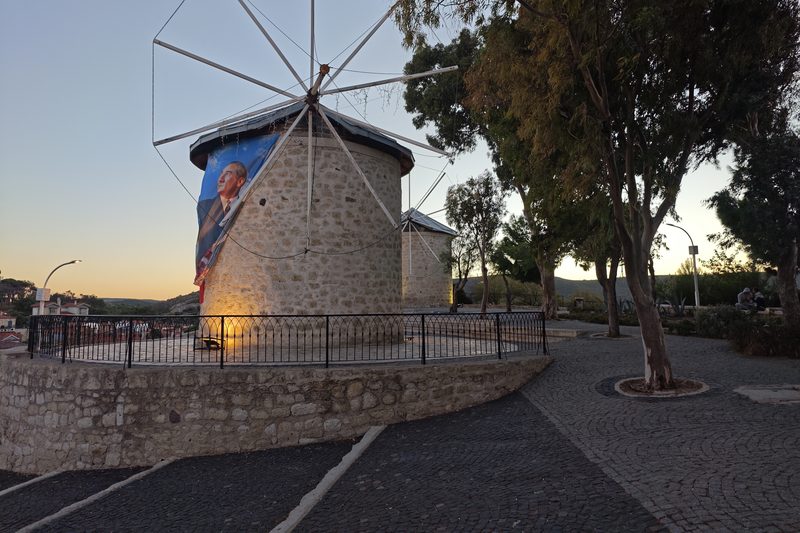
The town once stood by the sea; when the sea withdrew it left a marsh behind, and with it malaria. The story goes that Hacı Memiş Ağa brought people from Chios and the nearby islands to drain it, and Alaçatı's Greek population descends from them. The dates differ from source to source: some place this in the 18th century, while GoTürkiye, the Turkish tourism ministry's site, says today's Alaçatı was founded around 1850. Once the marsh was dry, vineyards and tobacco shaped the area; the stone windmills on the hill date from the 1850s.
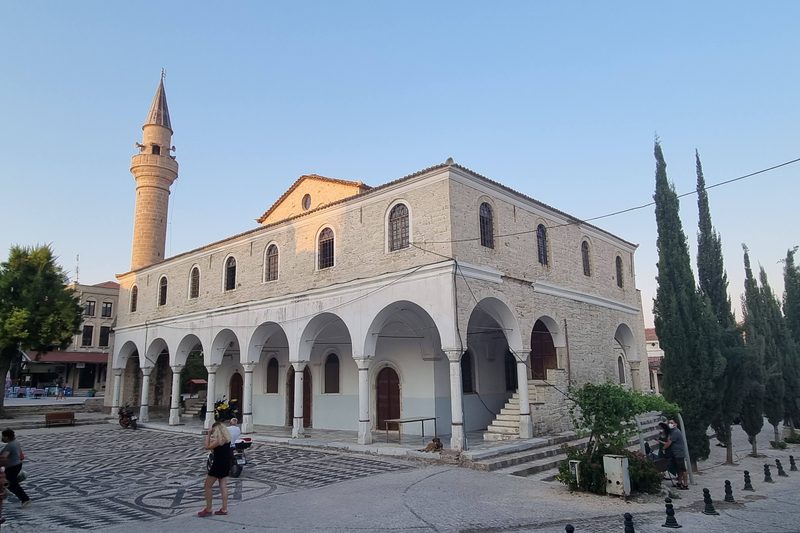
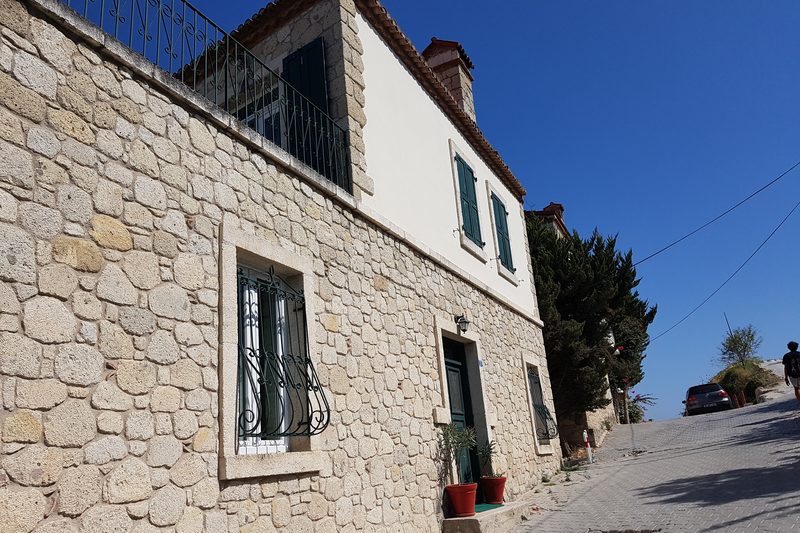
The stone houses we love today were largely built by Greek master builders. Turkish and Greek houses of local stone, most of them two storeys high, stand side by side along narrow streets, small squares and street wells. With the population exchange of 1923 the Greek inhabitants had to leave, and people from Thessaloniki, Crete, Kos and elsewhere settled in their place. The Pazaryeri Mosque on its square was built in 1874 as the church of Ayios Konstantinos and later became a mosque; its iconostasis is still there, the mihrab and minaret were added later.
For many years Alaçatı stayed a quiet farming village. First came the windsurfers, then people from the big cities who restored the stone houses and settled. Academic studies describe this as a shift from agriculture to tourism and, taking the Hacı Memiş district as their case, note that branding transformed the town radically, bringing gentrification and displacement for many local people. The historic fabric is now protected as an urban conservation area (kentsel sit), and a design guide by the Çeşme municipality and the İzmir Planning Agency aims to keep façades, signs, awnings and colours true to the town's original character.
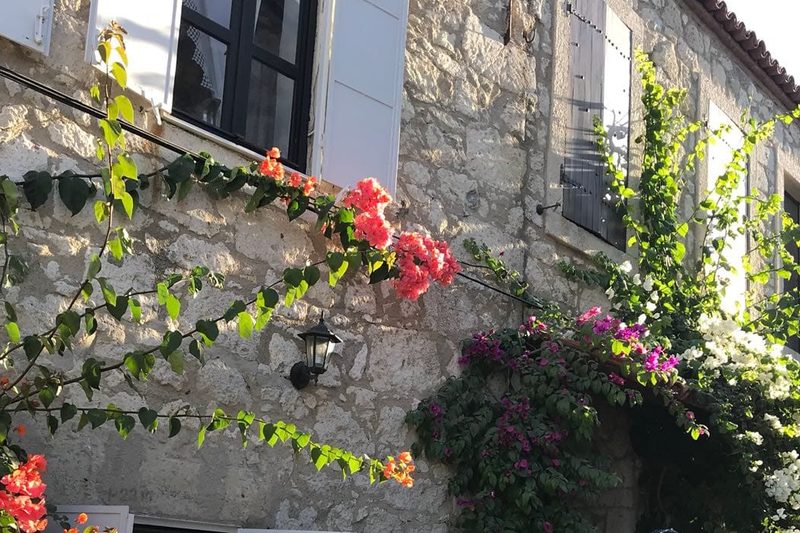
Hacımemiş is now one of the best-loved corners of Alaçatı. Bay windows (cumba) lean over cobbled lanes, shutters are painted in colour, bougainvillea spills over the walls, and between them are antique dealers, small boutiques, shops of every kind, cafés and restaurants. Having arrived in 2010, we watched from the inside as the quarter was quickly discovered and grew busier every season. Yet early in the morning, or in winter when the crowds have gone, Hacımemiş belongs to its people again and the quiet of the stone lanes returns.
Our advice is simple: put the map away, start at the Hacı Memiş Mosque and wander the back streets towards Pazaryeri, then climb up to the windmills in the late afternoon. If you wonder what is open on which street, just ask us; we love talking about our neighbourhood.
Places
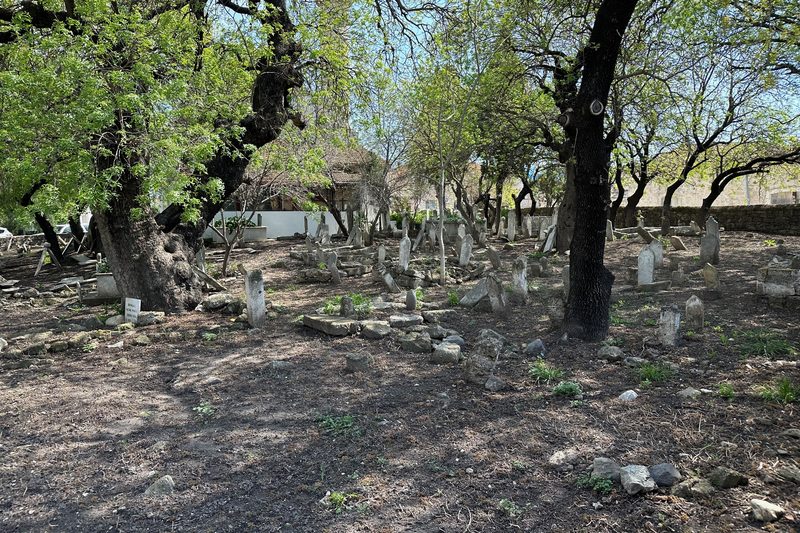
Photo: BSRF, CC BY-SA 4.0 (cropped), Wikimedia CommonsHacı Memiş Mosque · The historic mosque on Mithatpaşa Street bearing the name of Hacı Memiş, who gave the quarter its name, with an old, tree-shaded cemetery beside it. Open in Maps ↗
Photo: Eudessa, CC BY-SA 4.0 (cropped), Wikimedia CommonsPazaryeri Mosque · Built in 1874 as the church of Ayios Konstantinos and a mosque today, it keeps its iconostasis and a pebble-mosaic courtyard. Open in Maps ↗
Photo: Justinianus, CC BY-SA 4.0 (cropped), Wikimedia CommonsAlaçatı urban conservation area · The protected historic town, with two-storey houses of local stone, narrow streets and small squares. Open in Maps ↗
Photo: Satirdan kahraman, CC BY-SA 4.0 (cropped), Wikimedia CommonsAlaçatı windmills · Stone windmills from the 1850s looking down on the town from the hill, Alaçatı's emblem. Open in Maps ↗